Solderwood: Your Gateway to Retro Pixel Perfection
If you've ever wanted to bottle the electric energy of a classic arcade cabinet and pour it directly into your digital designs, you're in the right place. Typography is the voice of a visual project, and finding a typeface that speaks with the right amount of nostalgia and clarity can be challenging. That is exactly where Solderwood enters the picture. This bold, retro-inspired pixel font captures the spirit of 8-bit graphics and classic video games, offering a unique blend of technical precision and playful nostalgia that can transform a standard layout into a standout piece of art.
The Anatomy of a Pixel Typeface
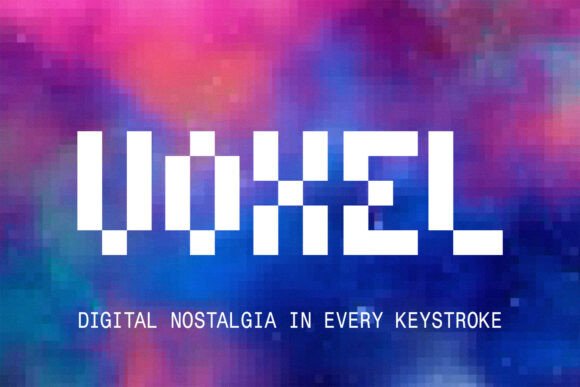
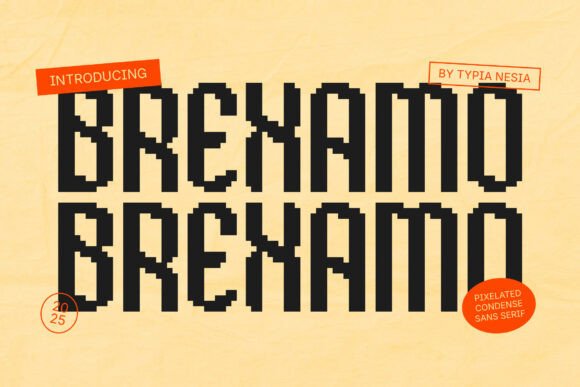
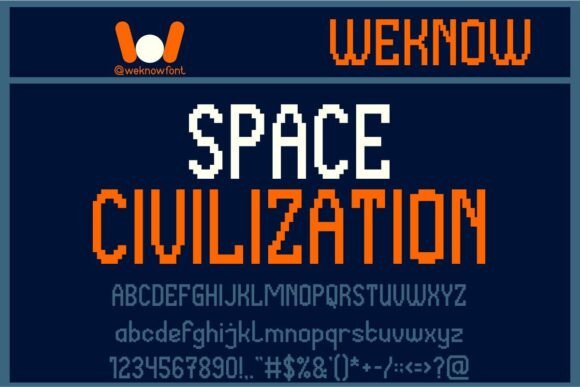
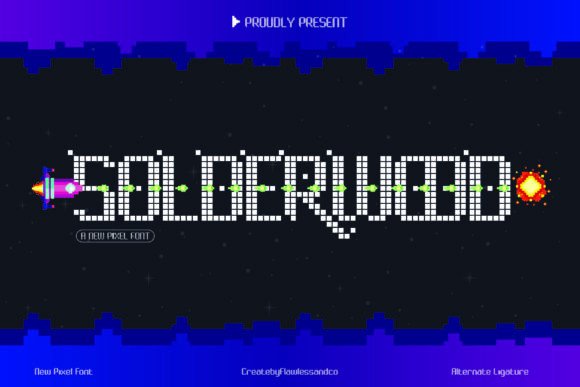
At its core, Solderwood is a display font designed with blocky, grid-based precision. Unlike traditional sans serif fonts that rely on smooth curves, this typeface embraces the jagged edges of the pixel grid. This design choice delivers a digital look that feels authentic to the era of early computing, yet it remains fresh enough for modern applications. Whether you are working on a brand identity for a tech startup or creating poster design for a music festival, the structured nature of this font provides a solid foundation for your headlines.
One of the standout features of this typeface is its inclusion of alternate ligatures. In typography, ligatures are combinations of letters that are designed to flow better together. In a pixel font, this feature is particularly valuable because it helps break up the monotony of a rigid grid. These alternates enhance your creative flexibility, allowing you to customize the text to fit the specific mood of your project. It is a small detail that makes a significant difference in the final polish of a design.
Creative Use Cases and Project Ideas
The versatility of a creative font like Solderwood is best understood by looking at how it can be applied across different mediums. Because of its distinct visual weight, it works exceptionally well for projects that need to grab attention immediately. It is not a script font meant for body text, nor is it a handwritten font for personal notes; it is a powerhouse for headers and titles.
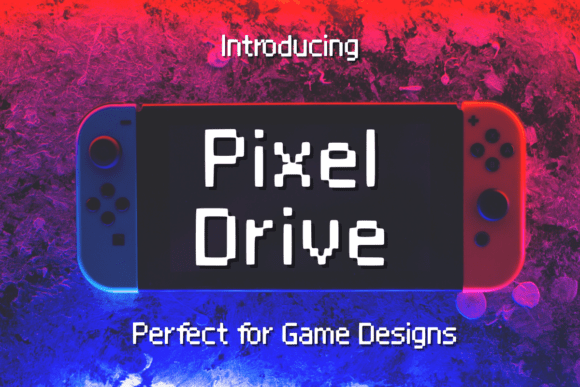
- Game Development and UI: This is the natural habitat for a pixel typeface. Use it for game titles, menu screens, and HUD elements to instantly establish a retro gaming atmosphere.
- Logo Design and Branding: For brands that want to appear approachable, tech-savvy, or slightly nostalgic, this font creates memorable logos. It pairs surprisingly well with modern sans serif fonts to create a nice contrast between old and new.
- Social Media Graphics: In a fast-scrolling feed, a bold, pixelated header stops the thumb. It is perfect for announcements, sale graphics, or content related to the tech and gaming industries.
- Packaging and Merchandise: Think about t-shirt designs, sticker packs, or even packaging for retro-themed snacks. The blocky nature of the letters prints well on various materials and maintains its integrity at different sizes.
Practical Tips for Font Pairing and Selection
When you introduce a strong visual element like Solderwood into your workflow, balance becomes key. A common mistake in editorial design or web design is using a display font for everything, which can make text difficult to read. The best approach is to use this pixel font for headlines and subheadings, then pair it with a highly legible body font. A clean serif font or a neutral sans serif font often works best for the supporting text, allowing the retro header to shine without overwhelming the viewer.
Before finalizing your choice for a commercial project, always review the font’s license. Ensuring that your font download covers commercial use is a crucial step in professional design assets management. Additionally, take the time to test the font at the specific sizes you intend to use. Pixel fonts can sometimes lose their definition if scaled incorrectly, so checking readability on both mobile devices and desktop screens is a smart move.
Ultimately, the right typography does more than just display words; it sets a mood and builds a connection with the audience. Choosing a premium font